
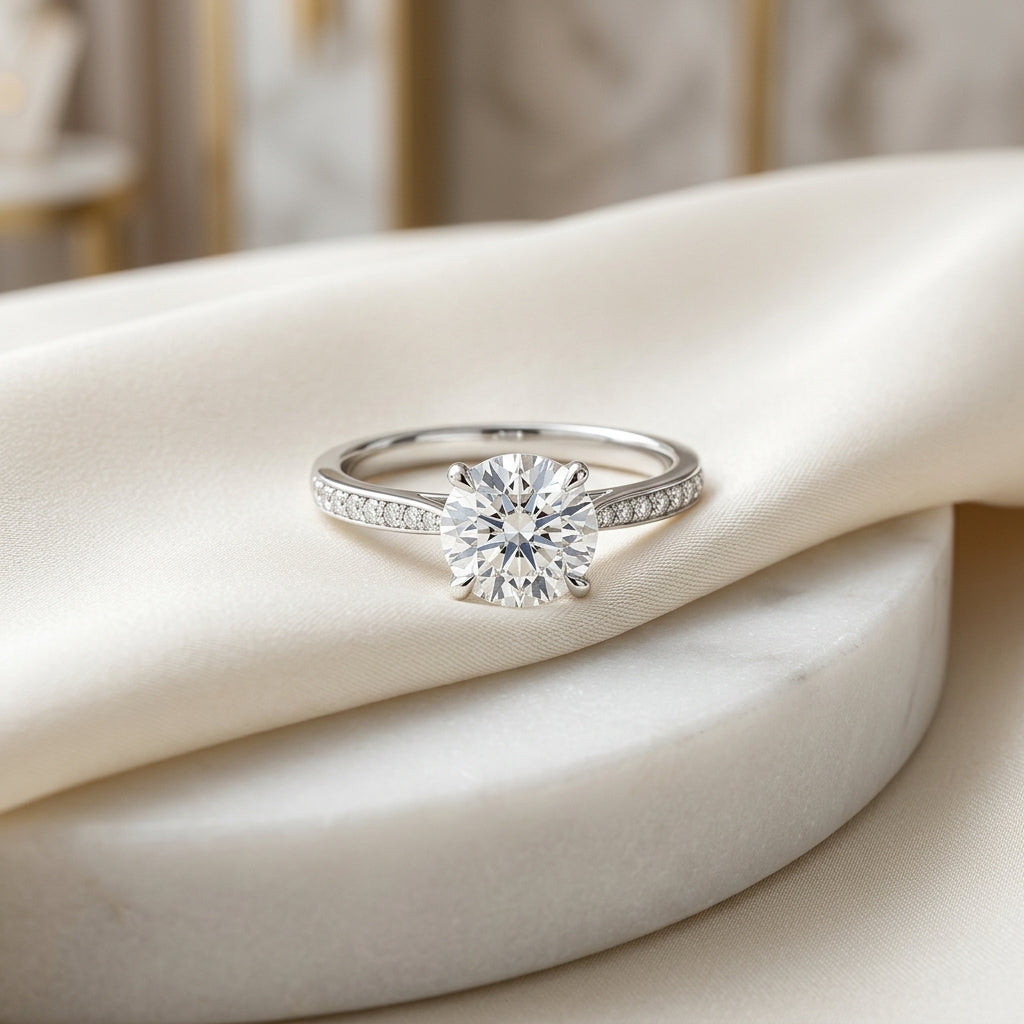


Everything You Need to Know About platinum Engagement Rings
Platinum is one of the rarest and most prestigious precious metals used in fine jewelry. Renowned for its natural white luster, exceptional durability, and remarkable purity, platinum has long been associated with luxury, strength, and enduring love.
Found in only limited quantities within the Earth's crust, platinum is significantly rarer than gold, making it a highly sought-after choice for engagement rings. Its naturally bright white color never requires plating, allowing it to maintain its elegant appearance throughout a lifetime of wear.
Beyond its beauty, platinum is prized for its strength and density. It securely holds gemstones in place, making it an excellent choice for engagement rings designed to be worn every day. Resistant to corrosion and tarnish, platinum develops a distinctive patina over time that many people appreciate for its soft, heirloom character.
Whether you're drawn to its rarity, timeless elegance, or lasting durability, platinum remains one of the finest choices for an engagement ring, offering beauty and performance that can be treasured for generations.

The history of platinum
The ancient Egyptians used platinum in their jewelry, mixed with gold. Later, ancient indigenous South Americans mined. refined and produced intricate platinum jewelry which Europeans discovered in the 16th century. By the 19th century, platinum had become a popular jewelry metal.
The Prestige of Platinum
Few precious metals carry the same sense of exclusivity as platinum. Exceptionally rare and naturally beautiful, platinum has long been regarded as a symbol of luxury, prestige, and enduring value.
Historically, platinum was reserved for royalty and the elite. King Louis XV of France famously described it as "the only metal fit for kings," a testament to its rarity and distinguished status. Its scarcity and remarkable properties have made it one of the most coveted precious metals in the world.
Platinum is significantly rarer than gold and is often valued accordingly. Its exceptional rarity, combined with its strength, purity, and naturally white luster, contributes to its reputation as one of the finest metals for engagement rings and heirloom jewelry.
Today, the word "platinum" has become synonymous with the highest standard of quality and excellence. Whether referring to music awards, memberships, or fine jewelry, the term represents something truly exceptional—a fitting reflection of the metal's timeless prestige.
For couples seeking an engagement ring that embodies rarity, luxury, and lasting beauty, platinum remains one of the most distinguished choices available.
Properties of Platinum in Jewelry
Platinum is prized for its exceptional combination of durability, purity, and timeless beauty, making it one of the finest metals for engagement rings and fine jewelry.
- Naturally white: Platinum has a distinctive grey-white metallic luster that never fades or requires rhodium plating, allowing it to maintain its elegant appearance throughout a lifetime of wear.
- Highly durable: Its dense composition makes platinum exceptionally strong, helping it withstand everyday wear while securely holding precious gemstones in place.
- Corrosion and tarnish resistant: As a noble metal, platinum naturally resists corrosion, oxidation, and tarnishing, preserving its beauty for generations.
- Hypoallergenic: Platinum is typically 95% pure, making it an excellent choice for people with sensitive skin or metal allergies.
- Dense yet malleable: Although heavier than gold or silver, platinum is remarkably ductile and pliable, allowing jewelers to create intricate settings while providing outstanding security for diamonds and other gemstones.
Thanks to these unique qualities, platinum offers the ideal balance of strength, elegance, and longevity, making it a treasured choice for engagement rings designed to last a lifetime.

Platinum Jewelry Alloys
Pure platinum is exceptionally soft, so the platinum used in fine jewelry is typically alloyed with small amounts of other metals to improve its strength, durability, and workability. Most high-quality platinum jewelry contains 90–95% pure platinum, offering an ideal balance between purity and everyday performance.
Because platinum alloys vary, any future resizing or repairs should be performed using compatible platinum materials to preserve the ring's structural integrity and finish.
Common Platinum Alloy Metals
Depending on regional standards and manufacturing preferences, platinum may be alloyed with:
- Iridium
- Palladium
- Rhodium
- Cobalt
- Copper
- Titanium
Each alloying metal contributes unique properties, such as increased hardness, improved durability, or enhanced workability.
Platinum–Iridium Alloys
One of the most common and respected platinum alloys combines platinum with iridium. Because iridium shares platinum's naturally silvery-white appearance while adding strength and hardness, it is widely used in fine jewelry.
A hallmark such as Pt950/Ir indicates the composition of the alloy:
- 950 parts per thousand (95%) platinum
- 50 parts per thousand (5%) iridium
Platinum Purity Standards
Platinum jewelry is commonly available in several internationally recognized purity levels, including:
- Pt850 – 85% platinum
- Pt900 – 90% platinum
- Pt950 – 95% platinum (the most common standard for fine jewelry)
- Pt999 – 99.9% platinum (rarely used for engagement rings due to its softness)
With its high purity, exceptional durability, and naturally white appearance, platinum remains one of the most prestigious and enduring choices for engagement rings and heirloom-quality jewelry.
Platinum Hallmarks and Quality Marks
A hallmark or fineness mark certifies the purity and authenticity of platinum jewelry. These markings indicate the amount of platinum contained in the piece and provide assurance that it meets recognized industry standards.
Most fine platinum jewelry weighing more than 0.5 grams carries a hallmark that identifies its purity. Common platinum fineness marks include:
- Pt850 – 85% platinum
- Pt900 – 90% platinum
- Pt950 – 95% platinum (the standard for most premium engagement rings)
- Pt999 – 99.9% platinum
These hallmarks help buyers verify the quality and craftsmanship of their jewelry while ensuring it meets established platinum purity standards.
Platinum Engagement Rings
Platinum is one of the finest metals for diamond and moissanite engagement rings. Its naturally bright white color enhances the brilliance of every gemstone, complementing virtually every diamond shape and cut without requiring rhodium plating.
One of platinum's greatest strengths is its exceptional durability. Unlike many other metals, platinum prongs retain their strength over time, providing outstanding security for valuable center stones. This is why platinum has long been the preferred choice for some of the world's most treasured gemstones, including famous diamonds displayed in museum-quality settings.
Platinum is also well suited to everyday wear, whether your lifestyle is active or more relaxed. While it may develop fine surface scratches over time, the metal itself is not worn away. Instead, it gradually forms a soft patina—a natural finish that many people appreciate for its understated, heirloom character.
If you prefer to maintain its original high-polish appearance, a professional jeweler can easily polish and buff the surface, restoring platinum's bright, lustrous finish without compromising its exceptional durability.
Combining unmatched strength, lasting beauty, and timeless elegance, platinum remains one of the most prestigious choices for an engagement ring designed to last a lifetime.
Platinum vs. Silver
Although platinum and silver share a naturally white appearance, they differ significantly in durability, maintenance, and long-term value.
Which Should You Choose?
Choose platinum if you:
- Want the most durable and long-lasting precious metal.
- Prefer a naturally white metal that never tarnishes.
- Need maximum security for a valuable diamond or gemstone.
- Appreciate luxury, rarity, and heirloom-quality craftsmanship.
Choose silver if you:
- Prefer a more affordable white metal.
- Don't mind occasional polishing to remove tarnish.
- Are shopping for fashion jewelry or pieces worn less frequently.
For engagement rings designed to last a lifetime, platinum remains the superior choice, offering unmatched strength, exceptional durability, and timeless elegance.

Platinum vs. White Gold
Both platinum and white gold are excellent choices for engagement rings, offering a sophisticated white finish and timeless appeal. However, they differ in purity, durability, maintenance, and cost.
Which Should You Choose?
Choose platinum if you:
- Want the highest level of durability and gemstone security.
- Prefer a naturally white metal that never requires rhodium plating.
- Value exceptional purity and long-term performance.
- Don't mind paying more for a premium precious metal.
Choose white gold if you:
- Love the bright white appearance of platinum at a more accessible price.
- Prefer a lighter-weight ring.
- Don't mind occasional rhodium replating to maintain its brilliant finish.
Both metals make beautiful engagement rings. Platinum offers unmatched durability, purity, and longevity, while white gold provides outstanding beauty, versatility, and value. The right choice depends on your budget, lifestyle, and maintenance preferences.
Caring for Platinum Jewelry
Platinum is exceptionally durable and designed to last a lifetime, but a little routine care will help preserve its beauty and brilliance for years to come.
Everyday Care
- Remove your platinum ring during heavy manual work, sports, or other high-impact activities to minimize scratches and surface wear.
- Store your ring in a soft-lined jewelry box or individual pouch to prevent it from rubbing against other jewelry.
Cleaning Platinum
To keep your platinum jewelry looking its best:
- Clean it regularly using warm water, mild soap, and a soft cloth or soft-bristled brush.
- Avoid abrasive cleaners, rough materials, and harsh chemical solutions, as they can damage the ring's polished finish.
- Platinum can also be safely cleaned in an ultrasonic jewelry cleaner, provided the ring and its gemstones are suitable for ultrasonic cleaning.
Professional Maintenance
Over time, platinum naturally develops a soft patina that many people appreciate for its elegant, heirloom appearance. If you prefer a brighter, mirror-like finish, a professional jeweler can polish and refinish your platinum ring, restoring its original luster.
Unlike white gold, platinum does not require routine rhodium plating to maintain its color. Its naturally white appearance lasts throughout its lifetime, although some jewelers may offer rhodium finishing if a customer desires an especially bright white polish.
With occasional cleaning and professional polishing when needed, a platinum engagement ring will retain its timeless elegance and exceptional durability for generations

Conclusion
Platinum is one of the most prestigious and enduring choices for an engagement ring. Its exceptional purity, natural white luster, and outstanding durability make it a precious metal that is as practical as it is beautiful.
Unlike many other metals, platinum retains its naturally bright appearance without requiring plating, while its remarkable strength provides lasting security for diamonds, moissanite, and other precious gemstones. Over time, it develops a distinctive patina that many appreciate for its refined, heirloom character, or it can be professionally polished to restore its original brilliance.
Whether you're drawn to its rarity, luxurious feel, or lifetime durability, platinum offers timeless elegance and unmatched performance. For those who value superior craftsmanship, lasting beauty, and the brilliance of white precious metals, a platinum engagement ring is an investment that can be cherished for generations.


