
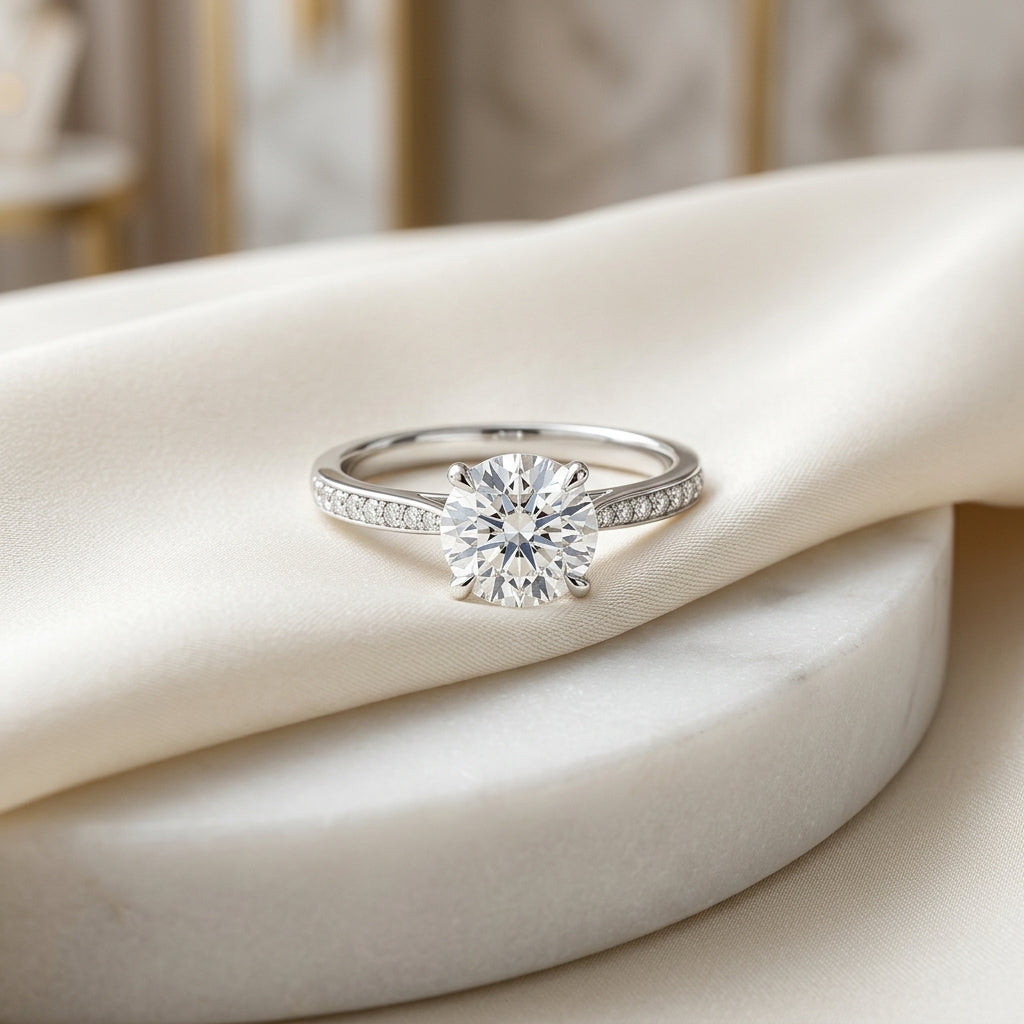


Everything You Need to Know About Prong Settings
When it comes to engagement rings, few settings are as iconic and enduring as the prong setting. Designed to hold the center stone securely while exposing as much of it as possible, this classic setting allows the diamond to capture and reflect maximum light, showcasing its brilliance and fire.
Renowned for its timeless elegance and versatility, the prong setting complements a wide range of engagement ring styles—from minimalist solitaires to dazzling halo and pavé designs. Its refined appearance keeps the focus on the center stone, making it one of the most popular choices for couples seeking a ring that never goes out of style.
In this guide, you'll discover everything you need to know about prong engagement rings, including the different prong styles, their unique advantages, how they compare to other settings, and which diamond shapes they complement best. Whether you prefer classic sophistication or contemporary glamour, the prong setting offers the perfect foundation for a truly unforgettable engagement ring.

What Is a Prong Setting?
A prong setting secures the center stone using small metal claws that grip the diamond at its edges or corners. Typically raised above the band, the diamond is exposed to more light, allowing it to display maximum brilliance, fire, and sparkle.
One of the reasons prong engagement rings remain so popular is their versatility. They pair beautifully with a wide range of engagement ring styles—from timeless solitaires to intricate halo and pavé designs—and can be crafted with different prong styles to suit both aesthetic preferences and practical needs.
Types of Prong Settings
Pointed (Claw) Prongs
Pointed prongs, also known as claw prongs, feature fine, tapered tips that securely hold the center stone while covering only a minimal portion of the diamond. This elegant design allows more light to pass through the gemstone, maximizing its brilliance and creating a refined, sophisticated appearance. Claw prongs are especially popular in modern and luxury engagement rings because they showcase the diamond with minimal visual distraction.


The Pros & Cons
Benefits of Prong Settings
Prong settings have remained the most popular choice for engagement rings for generations because they offer the perfect balance of beauty, brilliance, and practicality.
Maximum Sparkle
The greatest advantage of a prong setting is its ability to maximize a diamond's brilliance. With only a small amount of metal holding the center stone in place, light can enter the diamond from nearly every angle. This increased light exposure enhances the stone's sparkle, fire, and brilliance, allowing it to shine at its full potential.
Prong settings are especially well-suited to round brilliant and oval diamonds, as these cuts are designed to reflect and refract light exceptionally well. By keeping the diamond as exposed as possible, a prong setting showcases its natural beauty and creates the dazzling sparkle that makes this timeless setting so iconic.

A prong setting is designed to showcase the center diamond with minimal visual distraction. By elevating the stone slightly above the band, the setting gives it a striking presence while ensuring it remains the undeniable focal point of the ring. The minimal metal coverage highlights the diamond's size, shape, and brilliance without overwhelming the overall design.
Easy to Clean and Maintain
Because much of the diamond is exposed, prong-set engagement rings are relatively easy to clean. Dirt and oils can be removed more effectively than in more enclosed settings, helping the diamond maintain its brilliance with regular care. Routine inspections by a jeweler can also ensure the prongs remain secure for years of everyday wear.
A Timeless and Versatile Choice
With their classic silhouette and enduring appeal, prong settings complement virtually every engagement ring style—from elegant solitaires to intricate halo and pavé designs. Their combination of exceptional sparkle, versatility, and timeless beauty makes them one of the most popular and enduring choices for engagement rings.
Disadvantages of Prong Settings
rong engagement rings are celebrated for their timeless elegance and exceptional sparkle, but there are a few practical considerations to keep in mind.
Prongs Require Regular Maintenance
Because prongs are relatively thin, they can gradually wear down or loosen with everyday use. Over time, accidental knocks or normal wear may affect their ability to securely hold the center stone. Regular inspections by a professional jeweler can help identify any worn or damaged prongs before they become a concern.
Higher Settings Can Snag
Prong settings often elevate the center stone above the band to maximize light exposure and brilliance. While this creates a beautiful, eye-catching look, higher-set diamonds may occasionally catch on clothing, hair, or gloves and are more susceptible to bumps during daily activities. Those with particularly active lifestyles may prefer a lower-profile setting for added practicality.
Routine Care Keeps Your Ring Beautiful
With proper care, a prong-set engagement ring can remain beautiful for a lifetime. Having the prongs professionally checked and tightened as needed helps ensure the center stone stays secure while preserving the ring's brilliance and elegance for years to come.
| Advantages | Disadvantages |
|---|---|
| Discreet design that doesn't detract from the diamond. | Thin settings may weaken over many decades of wear. |
| Abundance of light for elevated fire and brilliance. | Highly set stones can occasionally catch on fine fabrics. |
| Maintenance and cleaning routines are straightforward. | Higher settings may not suit extreme manual labor. |
| Timeless design that transcends changing fashion trends. | Requires regular inspection to ensure prongs remain tight. |
Prong Settings by Diamond Shape
Choosing the right prong style for your diamond shape is essential for balancing security, durability, and beauty. The ideal prong setting not only protects the stone but also enhances its natural brilliance and unique silhouette.
Round Brilliant Diamonds
Round brilliant diamonds work beautifully with either four-prong or six-prong settings. Four prongs expose more of the diamond, maximizing sparkle, while six prongs provide additional security and create a timeless, balanced appearance.
Oval Diamonds
Oval diamonds pair especially well with claw prongs or double prongs, which emphasize their graceful, elongated shape while securely holding the stone and enhancing its brilliance.
Princess Cut Diamonds
With their sharp corners, princess-cut diamonds benefit from V-shaped prongs, which protect the vulnerable points from chips and everyday wear while maintaining the stone's crisp, modern look.
Pear-Shaped Diamonds
Pear-shaped diamonds are typically secured with a combination of standard prongs and a V-prong at the pointed tip. This arrangement protects the delicate point while beautifully highlighting the diamond's elegant teardrop silhouette.
Matching the prong style to the shape of your diamond ensures a secure setting while allowing the center stone to shine at its full potential. The right combination enhances both the beauty and longevity of your engagement ring, creating a design that can be treasured for a lifetime.
Choosing Your Match
When selecting a prong setting, begin by considering your personal style and how you plan to wear your ring every day.
Match the Setting to Your Style
If you prefer a delicate, elegant look, claw prongs or four-prong settings are excellent choices. Their minimal metal coverage allows the diamond to take center stage while maximizing brilliance and sparkle.
For those who prefer a more substantial appearance or want additional security, six-prong and double-prong settings provide extra support while maintaining a classic, sophisticated look.
Consider Security and Lifestyle
A properly crafted prong setting securely holds the diamond and is designed to withstand everyday wear. However, because prongs can experience wear over time, periodic inspections by a jeweler are recommended to ensure the stone remains safely secured.
If maximum protection and low maintenance are top priorities, you may also want to consider a bezel setting, which completely or partially surrounds the diamond with a protective rim of metal. This setting offers exceptional durability and is particularly well-suited for active lifestyles, hands-on professions, or anyone seeking extra peace of mind.
Ultimately, the ideal prong setting balances beauty, comfort, security, and personal style, ensuring your engagement ring remains both stunning and practical for years to come
Is a Prong Setting Your Perfect Match?
A prong setting is the ideal choice for anyone who wants their center diamond to take center stage. With minimal metal covering the stone, this setting showcases the diamond's brilliance, fire, and natural beauty like few others can.
Those who appreciate clean, understated elegance will love claw or four-prong settings, which offer refined, minimalist lines while maximizing light exposure and sparkle.
If added security is a priority, six-prong and double-prong settings provide extra support without compromising the diamond's brilliance. These styles are particularly well-suited to larger or more valuable diamonds, offering a reassuring balance of durability and elegance.
Whether you're looking for a timeless solitaire or a more elaborate design, a prong setting is a versatile and enduring choice that beautifully highlights your diamond for everyday wear and life's most memorable moments.

Conclusion
Elegant. Secure. Timeless.
Prong settings have earned their place as one of the most iconic and enduring engagement ring styles. By exposing the center stone to maximum light, they beautifully showcase a diamond's brilliance while maintaining a refined, lightweight appearance that never goes out of style.
Whether you're drawn to the minimalist elegance of a four-prong setting, the classic security of six prongs, or the distinctive character of double or claw prongs, there's a prong style to suit every taste and lifestyle.
Combining timeless beauty, exceptional sparkle, and remarkable versatility, a prong engagement ring remains a classic symbol of love—designed to shine brilliantly for a lifetime.


